Apologetica: Independent Attestation and Archeological Evidence
This post is based off of a sermon I gave this morning in our real-life ministry. It contains some material from The More Rational Worldview, Section II, but also much new material, too. For sources on this information, refer to the link above.
This is part one of two in a series I am doing about my research into Christian apologetics, with the second part covering fulfilled prophecies and the Bible codes.
This sermon covers two simple ways we can know The Bible is true: independent attestation, or multiple corroborating pieces of evidence, and archeological and forensic evidence from the historical record.
People, items, and artifacts that tell the same story lends it credibility, and hard, tangible artifacts and sites demonstably line up with the Biblical narrative.
I want to personally thank our donors who have made our ministry possible - you know who you are upon reading this, we could not have done it without you.
Together, we have changed lives, fed thousands of people, built at least one church, aided in building many ministries, supported animal initiatives for self-sustainability projects, brought Bibles to hundreds of people, clothed people, paid for school fees, and so much more that cannot all be stated here. We have brought hope to thousands of people across the world, and we are not done. However, to reiterate, we could not do it without people supporting us, and most of all, God on our side.
We are excited to see what the future holds, and are always optimistic in the Lord Jesus Christ, no matter what happens.
Next, is the sermon I gave, which I hope you find useful, informative, and interesting. This sermon compiles great evidence that the Bible, and Jesus Christ Himself, is true.
Sermon - Witness 1
Thank you to everyone who has joined us today.
I want to continue with my series on apologetics, or why we can believe Christianity is true.
These sermons are intended as a means to reach out to those who don’t believe, or those who are merely professing to believe the Bible without belief. There are many people in this world who simply use Christianity as a means to an end, and perhaps part of the problem is they have never been given adequate reasons to really believe in it.
In these sermons, I am attempting to give you the tools you need to answer that most persistent and important question of all - Why are you a Christian?
Without being able to answer that, you will be at a loss and your preaching will suffer. In this world, where some 10,000 children are dying every single day of starvation, it can be difficult for the secular world to see the Bible as truth. The amount of suffering and evil here, which I covered in my last sermon, blinds their eyes to the truth of Jesus Christ.
That is why we must be prepared with good answers to explain why we believe what we do. If you cannot explain why you think the Bible is true, how will you convince anyone else to believe it? While some may find these sermons dry or overloaded with information, this apologetica is an incredibly powerful way to reach a certain subset of people who need a little more than just “faith”. Some people want concrete reasons to believe, and they are within their rational rights to request that.
These sermons are really covering the field of Epistemology - essentially, the study of knowledge and learning. Why do we think what we do, and how do we come to these beliefs?
Within the field of epistemology, the best way to rationalize a belief is to find supportive evidence for it, using sources and facts that are corroborative, verifiable, and widely considered to be mainstream.
Epistemology is the key that will unlock your mind from the cage that the world - and, indeed, Satan - has tried to lock it in. Without questioning what we know, how we know it, and why we think it is true, we are at the mercy of the evil and cruel technocratic oligarchy of hyper-wealthy, sociopathic, and immensely corrupt - the ruling class on Earth - the Synagogue of Satan, which I have also discussed several times in my sermons.
Remember the famous quote - a person who stands for nothing will fall for anything. Epistemology is a way to guard your heart and mind against the deception of the world, and a guideline that will get you through the troubles and storms of this world through granting you concrete handholds and intellectual ridges for you to grasp onto.
Recall, as well, the parable of the sower. Think of this apologetica as fertile soil to plow and till around yourself, rich and life-giving knowledge that will allow the water and sun of God to bring your seed to fruition and completion.
Epistemology is the ultimate enemy of the Satanic world - the authoritarian, the dictator, and the cynical corporate and government interests that want you to believe in anything - except, of course, The Bible.
Ghosts, aliens, wicca, ouija boards, tarot cards, Buddhism, new age spirituality, universalism, Islam, and visualization - the world will applaud you for any of these.
The one thing they don’t want you to believe in is the Bible, and anti-Christ propaganda is pumped out continuously by the world - the Bible is “illogical”, “irrational”, “contradictory”, and “stupid”, they will tell you. It can’t possibly be true, the world will say, while simultaneously telling you that men can be women, countries shouldn’t have borders, and life simply appeared out of nowhere from some primordial ooze in an ancient ocean. Those pushing doctrines of absurdity on the world will disingenuously tell you the Bible is absurd, but the truth is that there ARE many good reasons to believe the Bible is true.
Recall the lesson from 1984 - knowledge is power. Use the knowledge I give you to empower yourself to change your life, change the world, and change those around you. Many preachers and pastors fail to provide good reasons to believe the Bible is true, while repeating the same stories and lessons over and over that everyone has heard a thousand times.
So, the modality of apologetics I have discussed thus far are the inductive, deductive, and historical arguments for the truth of Christianity:
- The cosmological argument
- The teleological argument, or argument from design
- The argument from objective morals and duties
- The empty tomb argument
- The eyewitness testimonies of Jesus’ post-crucifixion appearances
- The origins of Christianity and where this radically new faith came from in the first place.
However, while these arguments are strong, and could each fill it’s own book, there is much more evidence to be presented. The remaining modalities of apologetica I have to present are:
- Independent attestation
- Historical and archeological evidence
- Fulfilled prophecy
- Intertext Biblical codes
- Divinely inspired, supernaturally advanced knowledge contained within the Bible
Next time, I will cover the prophecies and codes of the Bible. These are markers of supernatural authorship which conclusively and irrefutably demonstrate that the Bible was supernaturally authored by God. No human could have faked or produced these, only the hand of God can know the future and create the Bible codes.
Today, however, we will look at the criteria of independent attestation and historical or archaeological evidence.
This week, we are going to look at the more academic, tangible, and historical reasons to believe the Bible. Every single person alive on Earth, every historian, every professor, every liberal atheist, would agree with this sermon. They cannot deny that it is factual, and thus, that the Bible meets all of the criteria historians use when performing textual criticism and analysis.
For example, historians like to use the criterion of embarrassment - that is, when a society, person, or culture records something personally embarrassing to them, it is more likely to be true than the usual type of mythology we find in human societies: invincible Gods, unassailable warriors, pinnacles of masculinity, and heros that never seem to lose.
Christianity meets the criterion of embarrassment in multiple ways. Even something as simple as the first witnesses recorded in the Bible to Jesus’s resurrection being women would have been extremely embarrassing and inconvenient to the male disciple. Josephus tells us that women were not even allowed to testify in Jewish courts at the time - their word was considered to be worthless and unreliable.
Taking the logical step from this, if the Gospels were made up or full of lies, it is almost indisputable that the male disciples like Peter or John would have no doubt written themselves as the victorious, vindicated witnesses to the Risen Christ - not the women amongst them.
Of course, Jesus’s painful, humiliating, and public execution among common criminals as a convicted blasphemer also meets this criterion. No mythology or other religion across the world has a Messiah who suffered like Jesus did - beaten, mocked, whipped, and meekly led to his death on the cross.
The disciples after Jesus’s death and before his resurrection were cowards, hiding in fear in locked rooms from the Jewish and Roman authorities.
No one would make up a story like this, as it is genuinely embarrassing for the authors. Peter’s thricefold betrayal of Jesus is yet another example of Christianity meeting the criterion of embarrassment. These are merely a few examples I have chosen.
Consider, for example, the boring and mundane reminder from Paul in 2nd Timothy 4: 13 for Timothy to bring his coat back, and seriously consider how or why this would be included in a mythological document:
“When you come, bring the cloak that I left with Carpus at Troas, and my scrolls, especially the parchments.”
However, this is of course not the only criteria used to evaluate the veracity of ancient texts. Two other important ways we can try to peer into the past to determine what is true and what isn’t are:
- Independent attestation, that is, the same story being told through multiple authors and disparate or different sources
- And archeological evidence, hard artifacts that stand as testaments that what was written in a text was true.
Archeology, of course, is difficult. Ancient artifacts are incredibly rare, as most ancient cultures had no concept of preserving things for the future or making a good effort to record and preserve history.
It’s shocking, therefore, exactly how much archeological evidence supports the Bible. The great Jewish archeologist, Nelson Glueck - widely considered amongst the greatest archeologists of all time - even stated the following:
"No archaeological discovery has ever contradicted a single, properly understood Biblical statement."
It’s a bold and definitive statement - one that would seemingly be easy for the myriad of atheist scholars and historians to disprove. And yet, no one alive can point to even a single archeological discovery that has contradicted the Bible, while there are too many that support it to even list here.
Allow me to begin my discussing the Gospels themselves from a critical and unbiased perspective.
The New Testament is the most well-attested collection of documents in history, by far. We have 5,856 manuscripts with the earliest dating to around 125 AD. Compare this with, for example, the second best attested writing from antiquity, The Iliad, for which we only have 1900 manuscripts dating back to around 40 AD - almost 800 years after it was originally written.
Third on the list is Herodotus’ account of the Persian wars, with 188 manuscripts dating to over 500 years after it was originally produced. Clearly, the New Testament stands head and shoulders above its competition in this regard, and I haven’t even mentioned that the entire thing, minus only 11 inconsequential verses, can be reproduced merely from letters sent from Christian to Christian during the Roman Empire - even if every manuscript were somehow lost.
Many people argue that the Gospels were not written by their eponymous authors - Matthew, Mark, Luke, and John. The atheist scholar loves to point out that they, and likely Jesus himself, were uneducated laborers who were almost certainly illiterate, while disingenuously ignoring that they were obviously dictated in Aramaic or Hebrew to a group of scribes. When you listen to John, for example, it clearly reads as a story being told by an eyewitness to someone writing it down.
Luke, as well, has been described as one of the greatest historians of all time. Scholars who attempt to frame the Gospels as anonymous are missing a key point, however - the early church fathers, those who lived within 1 to 2 hundred years of Jesus Christ, were already aware of this issue.
For example, Tertullian, Gaius, and Hippolytus credit the Epistle of Hebrews to someone other than Paul - Barnabas for Tertullian and Clement of Rome for the latter two. Whether or not this is true I don’t find to be very consequential, but modern-day scholars do agree with them. The point is - if there was an authorship issue with the Gospels, there surely would have been a mention of it from these intelligent, educated, and discerning individuals, but there is no such record.
Eusebius, another eminent ancient historian, even has a specific term for books of the Bible with disputed authorship - antilegomena. He also used this term to refer to the Book of Hebrews, saying “it is not right to overlook the fact that some have rejected the epistle to the Hebrews on the grounds that it was not written by Paul”
Indeed, this debate is well documented and indisputably historical, and yet we find no such dispute about the Gospels. Their authorship by the three named disciples and Luke finds no mention of any dispute or argument that they are actually anonymous - this idea is purely a modern-day fabrication, a fever dream of the disillusioned, cynical, and misled “academic” class of society who sneer down on Christianity from their universities and ivory towers.
Funnily enough, no historian ever attempts to say that Paul didn’t exist - that dubious honor is reserved only for Jesus, Luke, John, Matthew, and Mark (and of course, old Testament prophets like Isaiah, who predicted King Cyrus by name 100 years before his reign - but the alleged proto-Isaiah dual authorship theory is a story for when I cover prophecy.
Fortunately for us, Paul’s letters contain powerful internal evidence on top of the internal evidence for eponymous authorship contained within the Gospels themselves.
Philemon 23: 24 reads:
23 Epaphras, my fellow prisoner in Christ Jesus, sends you greetings. 24 And so do Mark, Aristarchus, Demas and Luke, my fellow workers.
Colossians 4 again describes both Mark and Luke as real companions of Paul, and 2nd Timothy 4:11 reads:
Luke alone is with me. Get Mark and bring him with you; for he is very useful in serving me
To sum this up - the New Testament is the most well-attested document in history, the early church fathers all agreed on who wrote them, and there is strong internal evidence for their eponymous authorship.
And yet, we have barely even begun to scratch the surface of historical and archeological evidence for the truth of the Bible.
Let’s go deeper.
Extra-Biblical References to Jesus
Finding attestation from sources outside of the document you are analyzing is absolutely critical to determining its veracity.
Next, I will provide you with the extra-Biblical accounts of Christianity that I have found.
Tacitus Annals 15.44 - 112 AD
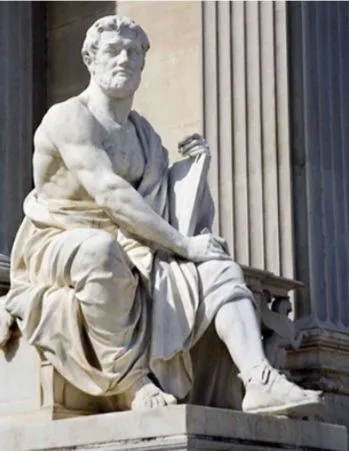
Cornelius Tacitus was a Roman historian and governor of Asia, present day Turkey, in A.D. 112. He wrote about the persecution of Christians following Emperor Nero’s false accusation that the Christians had burned Rome, and about their unshakeable belief in Jesus
“Christus [Christ], the founder of the name, was put to death by Pontius Pilate, procurator of Judea in the reign of Tiberius: but the pernicious superstition, repressed for a time, broke out again, not only through Judea, where the mischief originated, but through the city of Rome also.”
Tacitus was a careful historian with access to the government archives of Rome who recorded
details that confirmed many accounts in the Bible. He goes on to describe the horrific punishments
inflicted upon Christians by Nero, and it seems that “an immense multitude” was actually put to death for
their belief, indicating a true belief with solid foundations, as these people would not likely have died for a provable lie,
Suetonius, Life of Claudius
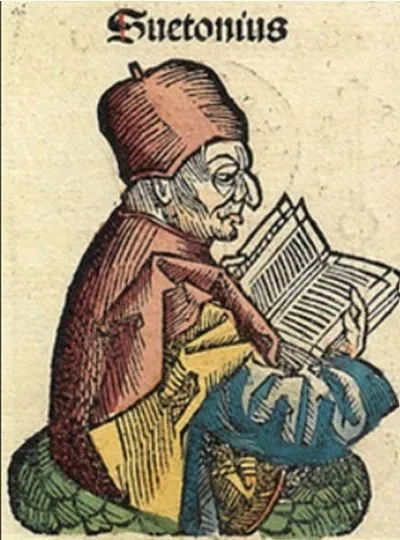
In his writing, Life of Claudius, official historian of Rome Suetonius referred to the Christians as causing “disturbances” in Rome, which led to their being banished from the city. He identified the sect of Christians as reacting to “the instigation of Chrestus,” which was his spelling of the name Christ - “since the Jews constantly made disturbances at the instigation of Chrestus, he expelled them from Rome.”
Pliny the younger, Epistle X 96, A.D. 112
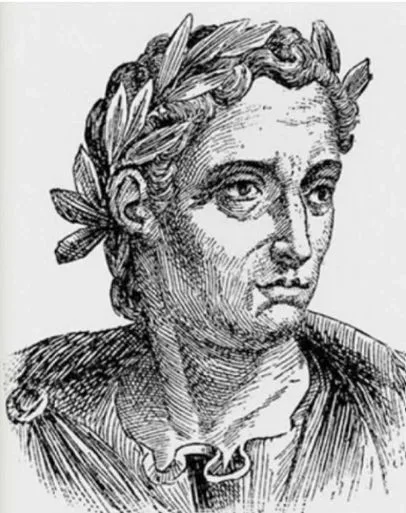
Pliny was governor of the Roman province of Bithynia, present-day Turkey, in A.D. 112. He wrote to the emperor, requesting instructions about the interrogation of the Christians whom he was persecuting. He states that the Christians would not deny their worship of Jesus, even when they were killed.
Lucian of Samosata,
The Passing Peregrinus, 2nd century A.D
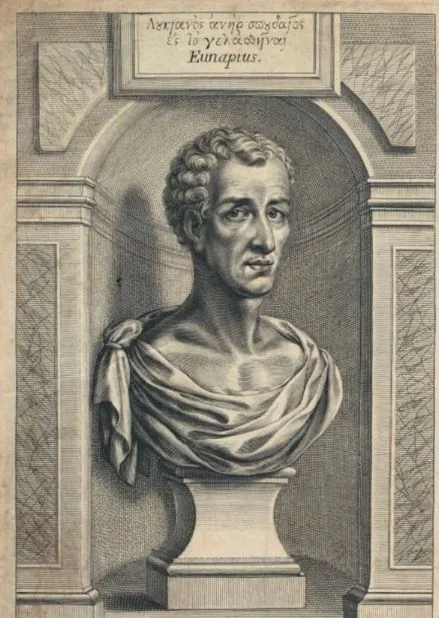
Lucian of Samosata was a Greek author who lived in a city on the Euphrates on the outskirts of the Roman Empire a century after Christ, and frequently wrote about religion. In his book, he declared that Jesus was worshiped by his followers and was “The man who was crucified in Palestine because he introduced this new cult into the world.” Lucian’s text is historically significant because it contains one of the earliest evaluations of early Christianity by a non-Christian author.
Flavius Josephus,
Antiquities of the Jews, 94 A.D
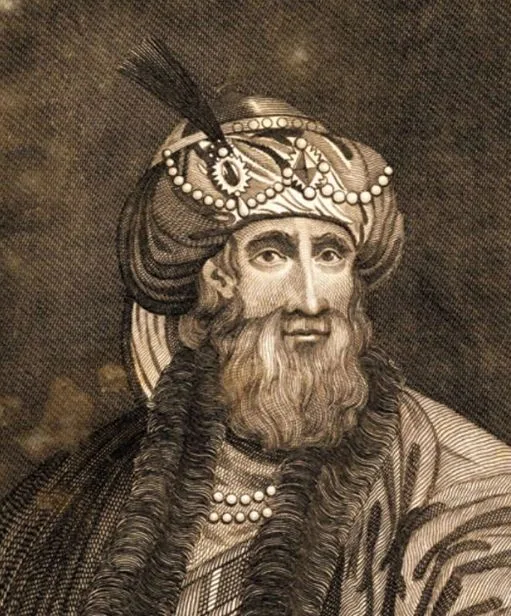
Josephus was a Pharisee and a Jewish priest living in Jerusalem, a contemporary of the Apostle Paul. Born in A.D. 37, he witnessed personally the events leading up to the destruction of Jerusalem in A.D. 70, and fought as a general of the Jewish rebel forces in Galilee in the war against Rome. He was captured by the Romans, and befriended a Roman general.
As an educated man and historian, he had access to both Roman and Jewish governmental records, and described the events in Israel at the time. In A.D. 94, Josephus published in Rome his definitive study of the history of the Jewish people, titled Antiquities of the Jews, writing:
“Now there was about this time Jesus, a wise man, if it be lawful to call him a man; for he was a doer of wonderful works, a teacher of such men as receive the truth with pleasure. He drew over to him both many of the Jews and many of the Gentiles. He was [the] Christ. And when Pilate, at the suggestion of the principal men amongst us, had condemned him to the cross, those that loved him at the first did not forsake him; for he appeared to them alive again the third day"
In another passage in Antiquities of the Jews, he described the death of James, the brother of Jesus, and some of his companions, at the order of the High Priest, “Ananus”.
There is more, as well. Some more key early mentions of Jesus and Christianity are:
Mara Bar Serapion letter - 73 AD
The Babylonian Talmud - 2nd - 5th century AD
The Sentences of Sextus - 3rd century AD
While I am not providing sources right now, the next two slides provide an example of what the sources for just those last three mentions look like from my writing on apologetica that I mentioned (see the link at the top of this post for sources on all of the information in this sermon):
- Van Voorst, Robert E (2000). Jesus Outside the New Testament: An Introduction to the Ancient Evidence.
- Eerdmans Publishing. ISBN 0-8028-4368-9 pages 53-56
- The Cradle, the Cross, and the Crown: An Introduction to the New Testament by Andreas J. Köstenberger, L.
- Scott Kellum 2009 ISBN 978-0-8054-4365-3 page 110
- Evidence of Greek Philosophical Concepts in the Writings of Ephrem the Syrian by Ute Possekel 1999 ISBN 90-429-0759-2 pages 29-30
- http://www.textexcavation.com/marabarserapiontestimonium.html
- https://www.cambridge.org/core/journals/new-testament-studies/article/abs/babylonian-talmud-on-the-execution-of-jesus/388B24580C8815C013F8C2E2D96196DE
- https://www.britannica.com/topic/Bavli
- http://www.earlychristianwritings.com/talmud.html
- O’Connell, Matthew, Doepp, Seigmar, Geerlings, Wilhelm, Dictionary of Early Christian Literature, 2000,
- Crossroads Publishing Company, 0824518055, 9780824518059. P. 534
- Origen, Contra Celsum, viii. 30; Commentary on Matthew, xv. 3
The final four extra-Biblical sources I can provide at this time that attest to the events in the Bible are:
St. Pantaenus the Philosopher, 2nd century AD
The inscription of Abercius
Galen on Jews and Christians, 2nd century AD
True Reason, an anti-Christian book written by Celsus in the 2nd century that disputes Christianity, and yet confirms that the characters and events in the gospel are largely historical
These types of extra-Biblical references to Christianity are numerous, with still many more extant documents fulfilling the criteria of independent attestation. Really, this rabbit hole almost never stops. These attestations on their own don’t prove that the supernatural claims made in the Bible are true; rather, they provide solid evidence that something extraordinary, at the very least, did happen in the time period and area where the Bible claims it did.
Clearly, there was some sort of earth-shaking event surrounding the life of Jesus Christ that was so notable it made a clear impression in history, even becoming the very basis for our current calendar.
This adds another layer of solid epistemological reasoning to our cumulative positive case for the existence of the Biblical God, and supernatural authorship of the Bible.
Next, we will examine the archeological record for forensic evidence of the Bible’s truth.
I’d like to start with my personal favorite - the Tower of Babel.
Philologists have come to something of a consensus that supports the Bible’s statement that all languages share a common origin, as seen in an article from Live Science titled, “Beyond Babel: Ancient Mother Tongue Reconstructed.”
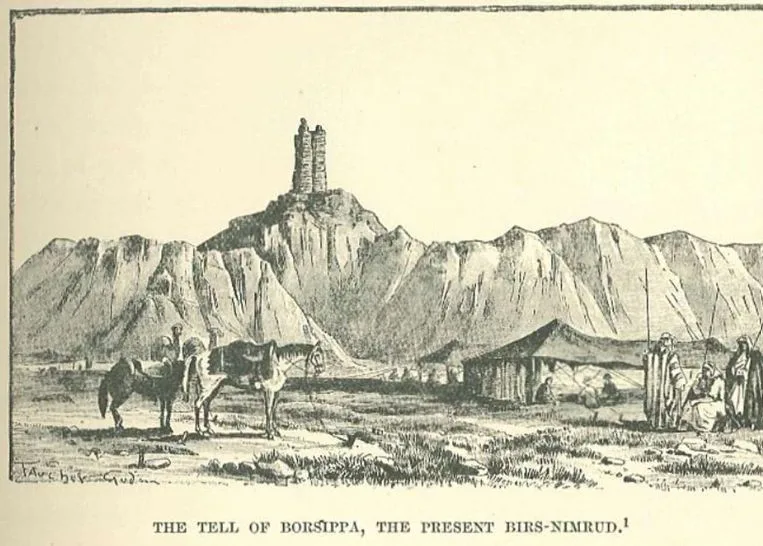
However, the real story of the Tower of Babel begins in in the 1850’s, with a French Government expedition led mainly by Julius Oppert, who would report on cuneiform inscriptions found in the ruins of Babylon. Oppert translated a long inscription by King Nebuchadnezzar, in which the king referred to the tower in the Chaldean language as Barzippa, which means “tongue-tower.” Later, William Kennett Loftus translated the inscription and included it in his book, Travels and Researches in Chaldea and Sinai.
Nebuchadnezzar’s inscription clearly identifies the original tower of Borsippa with the Tower of Babel from Genesis. and the Greeks also referred to the site as “Borsippa”, or tongue tower.
Another prominent early explorer who conducted authoritative surveys on the site was Henry Rawlinson. His study of the site from 1861 describes the site as follows, “Thus Ker Porter supposes these vitrified masses ‘on the fire-blasted summit of the pile’ to be fragments of the upper stage of the original tower of Babel, erected by Nimrud and destroyed by lightning from heaven.”
Furthermore, Rawlins goes on to describe two clay cylinders found in the tower that indicate that Nebuchadnezzar was restoring an incomplete ziggurat of a former king, "which was long since fallen into decay." We can examine this further in this study by John Peters from 1921, “Nebuchadnesser described the condition in which the ziggurat was when he found it. It was built long before his day, and built with very ambitious ideas...its summit had never been completed.” The paper from Peters goes on to discuss the “striking similarities” between this tower and the Biblical tower of Babel.
Nebuchadnezzar's ancient inscription on the bricks of the enigmatic Tower of Borsippa contains the striking line:
A former king built it, [they reckon forty-two ages] but he did not complete its head. Since a remote time, people had abandoned it, without order expressing their words.
The Borsippa site meets all the requirements for the Tower of Babel, and has an indelible association with the issue of language, just as described in the Bible. It was built with “great ambition”, but never completed, and archeological evidence indicates that some sort of extraordinarily powerful event destroyed the tower.
Indeed, the archeological evidence of the heat and energy necessary to “vitrify” and even melt rock lacks a sufficiently explanatory naturalistic hypothesis, as lightning alone, as is hypothesized by the atheists, wouldn’t provide this type of destructive power. The Tower of Babel was supernaturally destroyed exactly as described in the Bible, and became the origin of the diverse modern languages as we know them.
Exodus
How many times have you heard an atheist say that there is no real evidence for the Exodus of the Jews from Egypt as described in the Bible? Sadly for them, they are wrong.
The Jewish historian I mentioned before, Flavius Josephus in his writing, Against Apion, reported that two Egyptian historians, Manetho and Cheremon, named Joseph and Moses as leaders of the Jews in their history of Egypt.
Citing Manetho and other Egyptian sources, Josephus describes how the Egyptians remembered a tradition of a mass exodus from their nation by the Jews, whom they hated because they believed the Israelites were unclean.
Manetho writes that the Jews, “went out of that country afterward, and settled in that country which is now called Judea, and there built Jerusalem and its temple.”
Josephus is widely considered to be unbiased and critical in his histories. Furthermore, in his book from the 1st century BC, Greek historian Diodorus reported on the Exodus on the Jews, giving a detailed recap of the events, with one quote reading, “These emigrants were led by Moses, who was superior to all in wisdom and prowess.”
Additionally, archeologists have discovered the Merneptah Stele, a stone inscription found in Egypt, which confirms that the Israelites were known to the Egyptians long before the reign of King David, as the Bible claims. On this stone, we read, “Israel is laid waste and his seed is not”, a clear reference to the Biblical Israelites
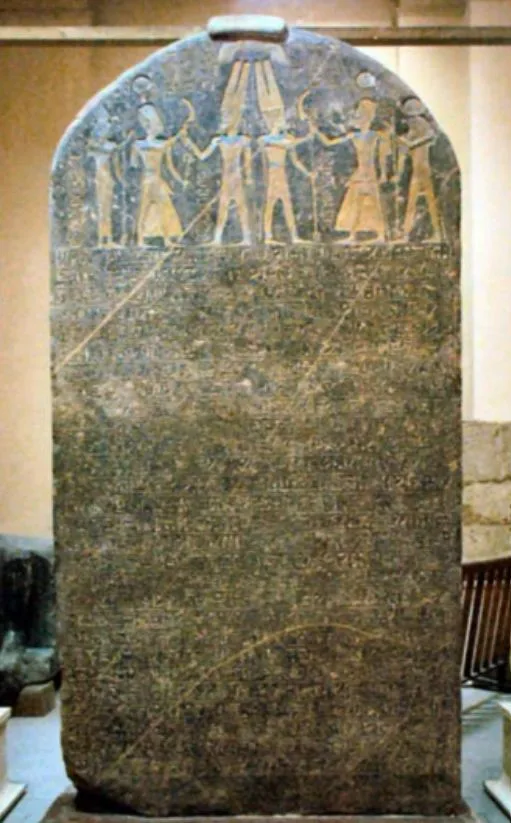
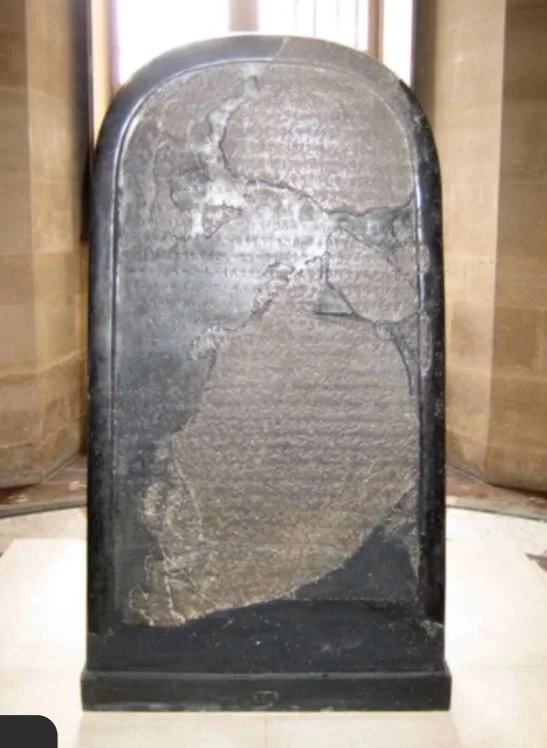
The Mesha Stele is the most extensive inscription ever found that refers to the ancient Kingdom of Israel. The stone contains a 34-line inscription celebrating the Moabite vassal king Mesha’s rebellion against the Israelites. In addition, although there is some dispute on this, epigrapher André Lemaire identified in line 31 of the ninth-century B.C.E. stele the phrase “House of David.” Furthermore, the name of Omri, a king of Israel, is recorded on this inscription, and it contains the earliest extra-biblical reference to Yahweh.
There are numerous other confirmations of the Biblically named kings throughout the historical record, such as Assyrian King Tiglath-Pileser III. He recorded multiple interactions through stone inscriptions that indicate that he was involved politically with several kings of Israel, such as Menahem, Ahaz, and Hoshea.
Additionally, in the book, Ancient Israel and its Neighbors, we find evidence that Sargon II was described as the “subduer of Judah, which lies far away.”
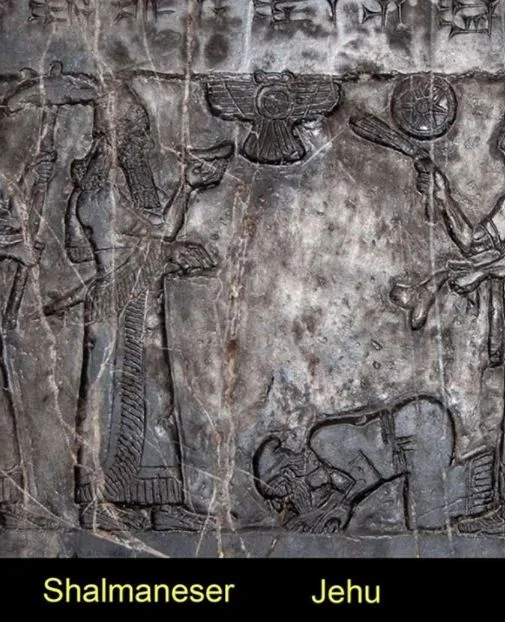
Another discovery confirming the accuracy of the Biblically listed kings is the Black Obelisk of King Shalmaneser III, who wrote, “I conquered ... all of the Land of Omri (Israel).”, and depicts the Israelite king Jehu bringing tribute to Shalmaneser
Jericho
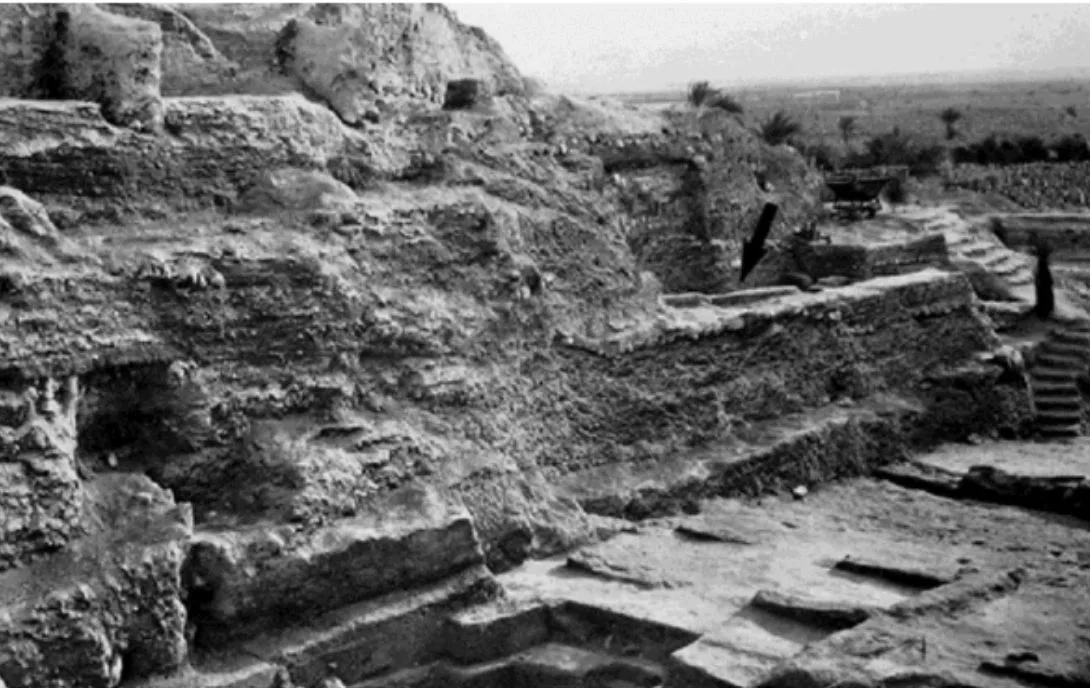
Excavations of Jericho began between 1930 and 1936, conducted by Professor John Garstang.
What he found was so unusual that he prepared a written declaration of the archaeological discovery, signed by himself and two members of his team: “As to the main fact, then, there remains no doubt: the walls fell outwards so completely that the attackers would be able to clamber up and over their ruins into the city.” This is unusual, because usually when cities are besieged, the walls will collapse inwards with the surge of the invading army, and the city will be overrun.
In an article by The Express, we read,
"According to the archaeologists, the mudbrick wall fell outward... Every archaeologist’s report shows the walls collapsed first, then the city was set on fire and subsequently the city was abandoned, just like the Bible states...
Cyrus Decree
n the 19th century, archeologists in Iraq found an inscribed clay cylinder bearing the decree of King Cyrus of Persia, allowing the various captured natives of many different nations to return freely to their homelands.
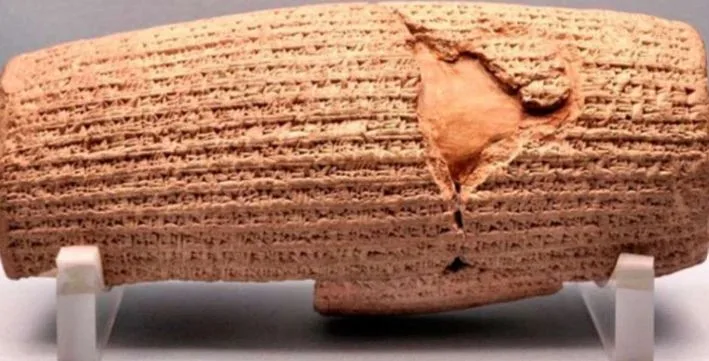
The Biblical narrative this archeological discovery validates is found in the book of Ezra.
Tel Dan Inscription
Along with Exodus, atheists used to love saying that King David was just a legend, until a revolutionary archeological find in 1993 shut them up for good.
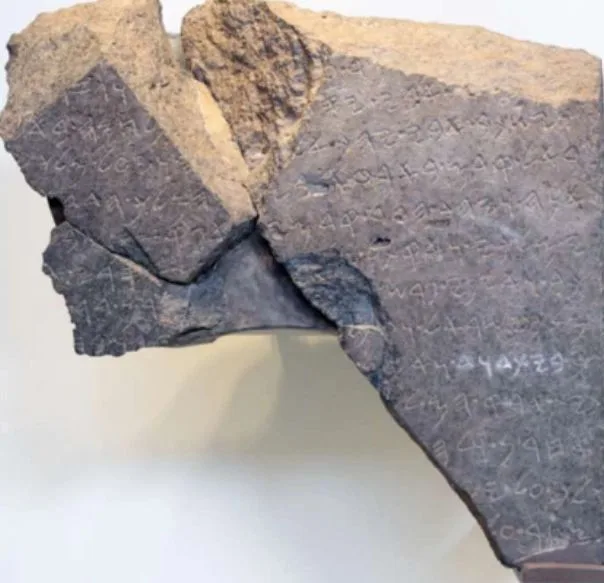
One of the most notable modern Biblical archeological finds, the Tel Dan inscription was discovered in 1993 and dates to the 9th century BC.
According to the LA Times in 1993, “The tablet is not only the first corroboration of that epic battle, described in I Kings, but it is also the first mention outside the Bible of the House of David, and thus of King David himself.” The writing mentioning King David is marked white in the following picture:
Ketef Hinnom Scrolls
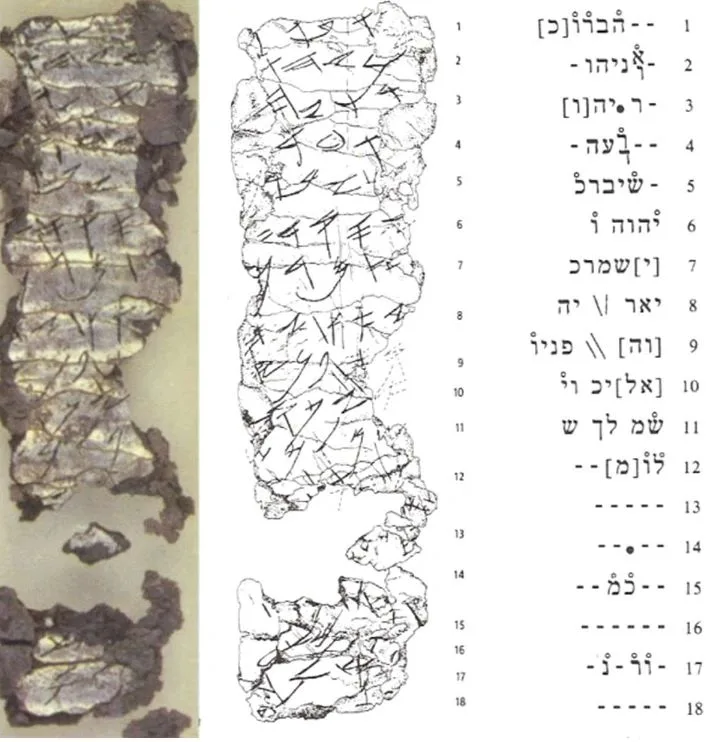
The Tel Dan Inscription is huge, and another find widely considered to be one of the most monumental discoveries of Biblical archeology is the Ketef Hinnom Scrolls. According to the New York Times this discovery, “appeared to be the earliest biblical passage ever found in ancient artifacts. Two tiny strips of silver, each wound tightly like a miniature scroll and bearing the inscribed words, were uncovered in a tomb outside Jerusalem and initially dated from the late seventh or early sixth century B.C. -- some 400 years before the famous Dead Sea Scrolls...
The researchers further affirmed that the scrolls "preserve the earliest known citations of texts also found in the Hebrew Bible and that they provide us with the earliest examples of confessional statements concerning Yahweh."
These scrolls are ritual amulets containing scripture, meant to be worn on the body. Upon discovery of these scrolls, we have an even earlier confirmation than the Dead Sea Scrolls that the text of the Bible is accurate, and unchanged over thousands of years.
Joseph
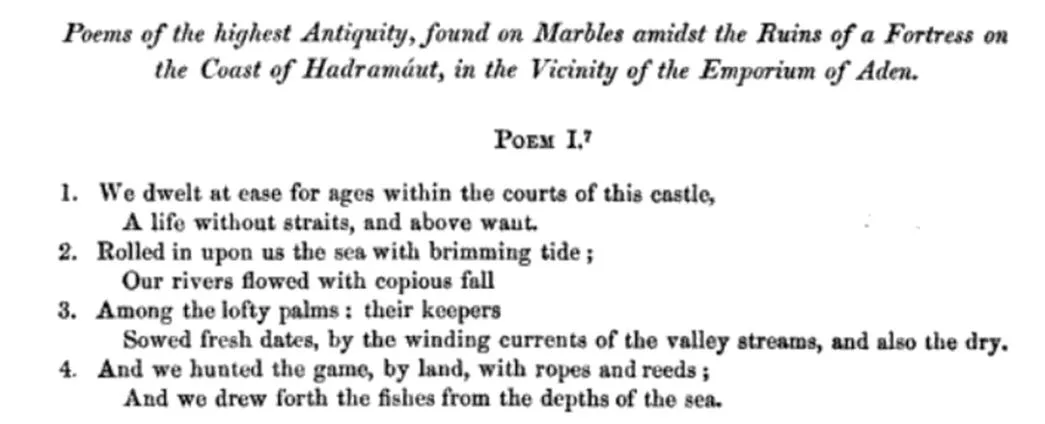
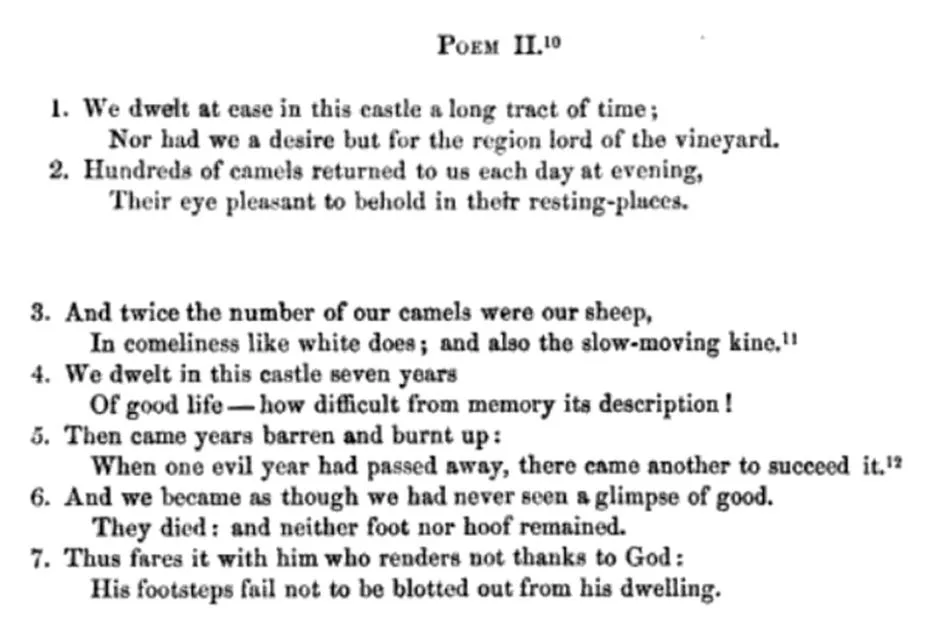
Philologist Charles Forster published a book in 1862 called Sinai Photographed, Or Contemporary Records of Israel in the Wilderness. In this book he describes several stone tablets found in Yemen that correspond with the Biblical Joseph. The first, found in the ruins of an ancient fort, describes the 7-year famine associated with Joseph, while the second references Joseph by name and is said to have originated from the tomb of a wealthy Yemenite women, found when a flood exposed the crypt.
This ancient poem, dated to a time roughly contemporary with the Biblical narrative of a seven-year both plenty and famine in the area, states, “We dwelt in this castle seven years... then came years barren and burnt up.”
The second discovery is related in this book as well, referencing the famous German explorer Carsten Neibuhr, who worked for the Dutch government cataloging and conducting archeological work in the Middle East. Forster describes this engraving, which mentions Joseph by name, originally photographed and appearing in Professor Niebuhr’s 1780 book, Voyage en Arabie.
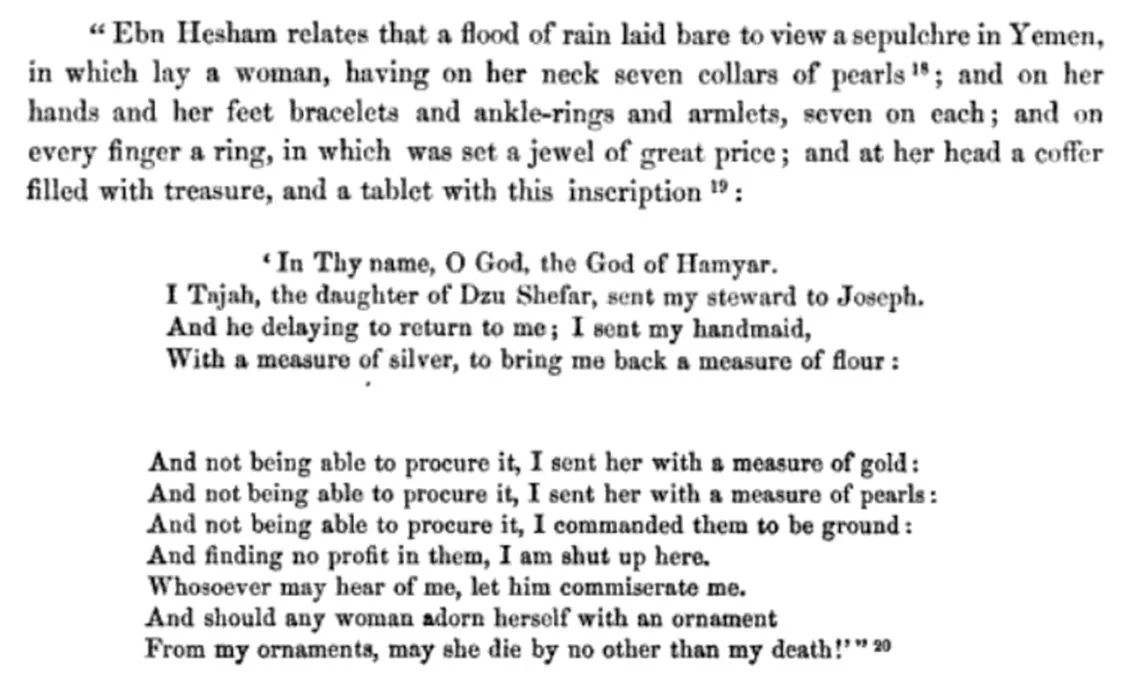
In addition to the above finds, coins have been discovered that appear to bear the name and image of the Biblical Joseph, living in Egypt at the time. According to the Jerusalem Post:
Archeologists have discovered ancient Egyptian coins bearing the name and image of the biblical Joseph, Cairo's Al Ahram newspaper recently reported. Excerpts provided by MEMRI show that the coins were discovered among a multitude of unsorted artifacts stored at the Museum of Egypt.
Lachish Letters
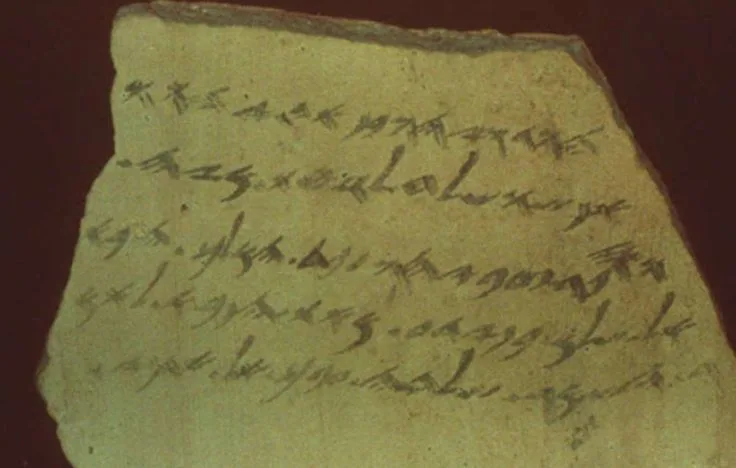
The Lachish letters, known as ostraca as they are written on shards of pottery, were discovered in the Archeological site of Lachish. This writing corresponds with the account of military actions in Israel specifically in Lachish at the time found in Jeremiah.
The Lachish Ostraca were written by an Israelite officer named Hoshaiah, seemingly the commander of an Israelite military outpost in the path of the advancing Babylonian army, to an Israelite named Yaush, who was in charge of defending Lachish. The letters reflect a general sense of unease and despair about the advancing Babylonian army, which turned out to be well warranted.
Sodom and Gomorrah
This is another of my personal favorites. According to a scientific report published on Nature.com, researchers have uncovered evidence indicating that in 1650 B.C., a huge Middle Eastern city named Tall el-Harmman was destroyed by a massive meteor airburst with the power of multiple nuclear bombs, congruent with the Biblical description of the destruction Sodom and Gommorah.
This is a really interesting one that you can research for yourself. Researchers describe the airburst event at Tall el-Harmman as over 1000x more powerful than the atomic bomb dropped on Hiroshima, and describe the site as “linked with an oral tradition that was written down in Genesis.”
Archeologists state, “In addition to the usual debris patterns typical of ancient cities destroyed by warfare and earthquakes, the excavations of the final phase of the MB II stratum revealed highly unusual materials: pottery sherds with outer surfaces melted into glass, some bubbled as if ‘boiled’; melted and ‘bubbled’ mudbrick fragments; partially-melted roofing clay (with wattle impressions); and melted building plaster. These suggest that the city’s destruction was associated with some unknown high-temperature event.”
The researchers also state that they found tiny metallic spheroids, created from immense heat, melted metal, “shocked” quartz, and an anomalous later of dispersed salt in the destruction layer, caused by a massive impact lifting the salt-rich soil in the air and flinging it far and wide.
Siloam tunnel inscription
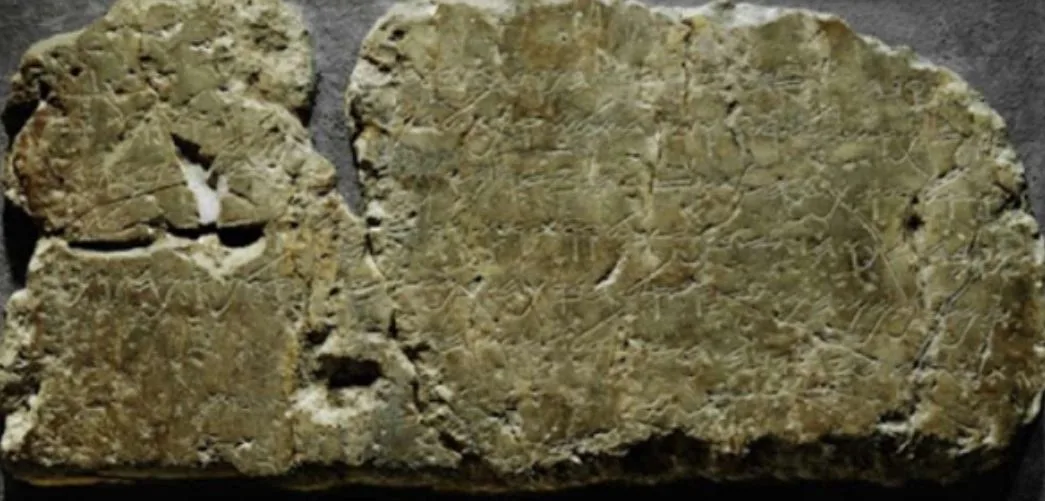
The Siloam tunnel is mentioned in the Bible as being built by King Hezekiah in order to protect Jerusalem from siege, a common tactic of warfare in those days. According to the Jewish Encyclopedia,
“it commemorates the digging of the waterway, which was an event in the history of Jerusalem and is mentioned more than once in the Bible.”
The Times of Israel states, “The Siloam Inscription, a 2,700-year-old ancient Hebrew text that provides concrete historical support for a Biblical event, is one of three ancient Jewish inscriptions unearthed in the Holy Land currently owned by the Istanbul Archaeology Museum.”
Jehoachin's rations
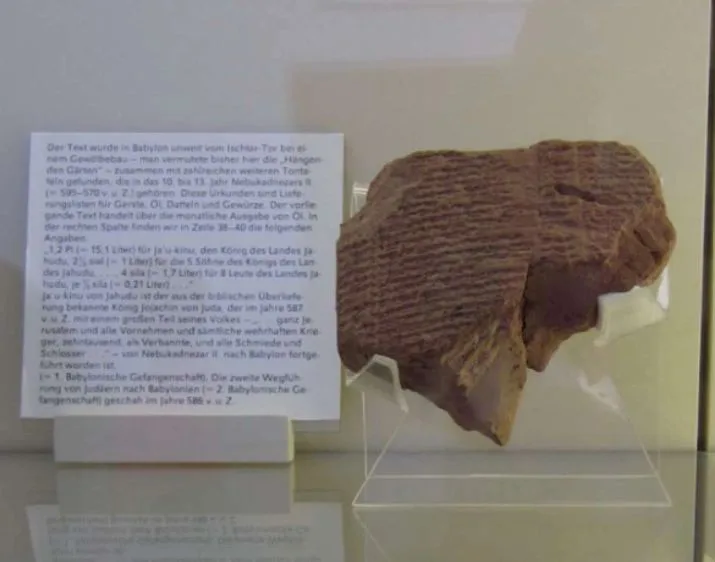
In the beginning of the 20th century, German archaeologists excavating in Babylon discovered nearly three hundred cuneiform texts dating between the 10th and 35th years of Nebuchadnezzar that record the disbursal of rations from the royal storehouses. There are four texts that show monthly rations for “Ya’u-kīnu, king of the land of Yahudu” (Babylonian for “Jehoiakhin, king of Judah”) along with other notable individuals, including his five sons.
Miriam Ossuary
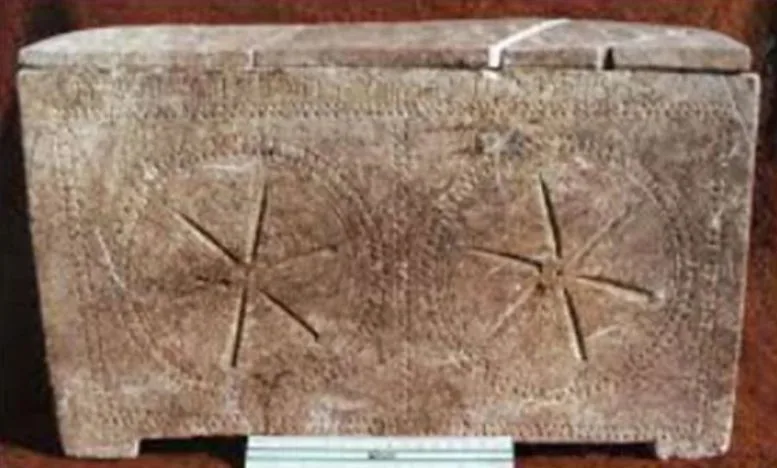
An ossuary, used for the storage of bones, was discovered in 2008, and declared authentic by the Israel authorities, as reported by CNN. The engraving states, "Miriam daughter of Yeshua son of Caiaphas, Priests (of) Ma'aziah from Beth 'Imri." Miriam's ancestor, the High Priest Yehosef Bar Caiaphas, is infamous for his involvement in the trial and crucifixion of Jesus. This study further examines this ossuary, and describes it as follows
Archeologists stated:
“On palaeographic grounds, it should be dated to the late first century BCE or to the first century CE. The prime importance of the inscription lies in the reference to the ancestry of the deceased — the well-known family of Caiaphas priests active in the first century CE...the patina and the inscription should be considered authentic beyond any reasonable doubt.”
The Pilate Stone
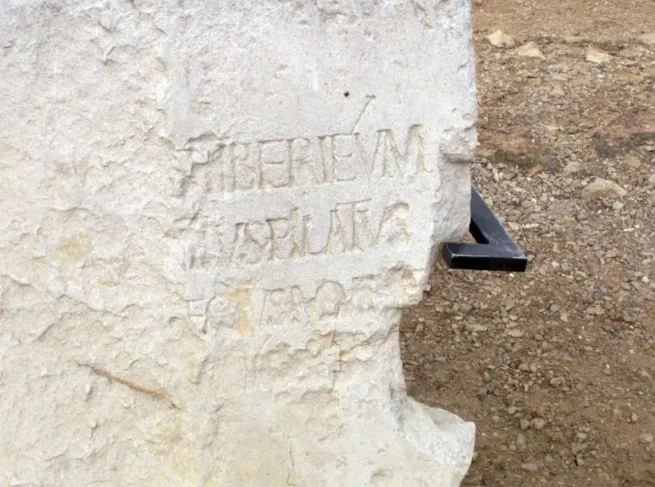
Just like King David and the Exodus, the atheist scholars used to assert that even Pilate himself was a fabrication, as ridiculous as that sounds today. They, as well, were shut up for good upon the discovery of the Pilate Stone in 1961.
The Pilate stone corroborates the Biblical description of Pilate’s existence, occupation, and title. The stone reads, “To the honorable gods (this) Tiberium, Pontius Pilate, Prefect of Judea, had dedicated.”
Goliath Wall
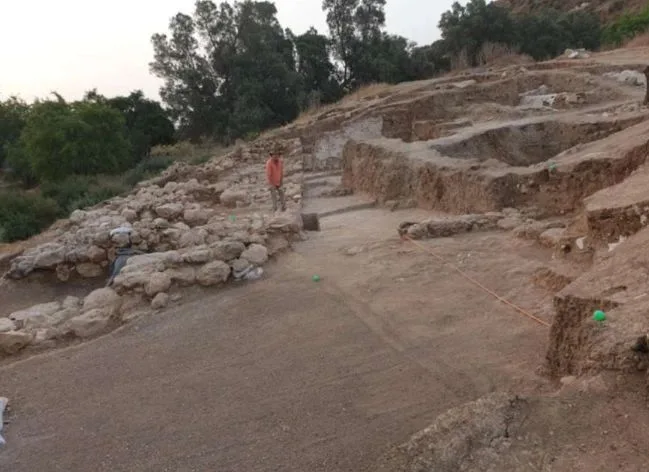
In the Biblical narrative of King David, Goliath is presented as a “giant”, who was from the city of Gath. In archeological digs at this site in 2019, researchers uncovered what they described as,“Super-sized remains of ‘enormous’ architecture and fortifications from a new, unexpected “biblical-era” layer of the Philistine city... at the ongoing Tell es-Safi/Gath Archaeological Project.”, according to the Times of Israel.
Seal of Jehucal
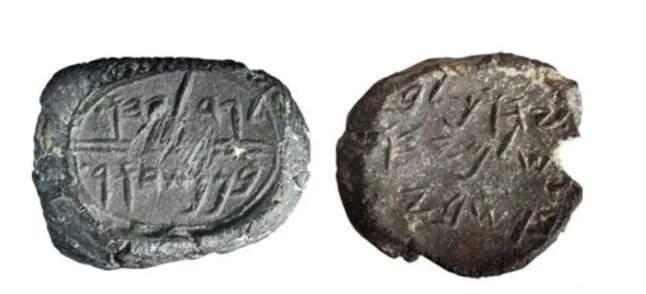
Between 2005 and 2008, Dr. Eilat Mazar of the Hebrew University of Jerusalem uncovered two bullae, or official seals, during excavations in the City of David, Jerusalem. These seals displayed the names, “Jehucal son of Shelemiah” and “Gedaliah son of Pashur.”
These names are also recorded in Jeremiah 37:3 and 38:1. Gedaliah and Jehucal were Israelite officials, and were two of the four men who petitioned King Zedekiah of Judah to imprison the prophet Jeremiah.
Several other seals, or bullae, have been discovered as well that corroborate Biblical kings of Israel, notably Ahab, Jehu, Joash, Menehem, Pekah, and Hoshea, and for the Kingdom of Judah: Ahaziah, Uzziah, Ahaz, Hezekiah, Manasseh, and Jehoiachin.
Deir Alla Inscription
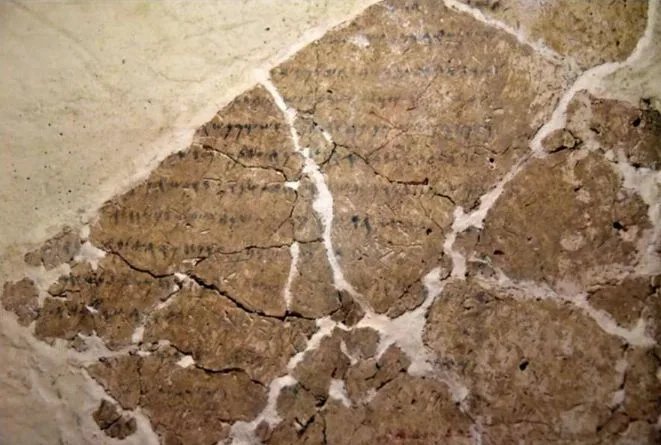
In Western Jordan, near the Jordan River, archeologists uncovered a painted text that appears to contain a prophecy by Balaam, a non-Jewish prophet mentioned in the Bible in Numbers 22-24, described as working for the Moabites.
Babylonian Chronicles
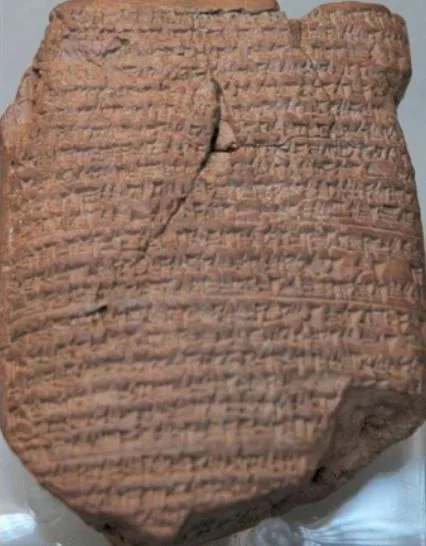
The Babylonian Chronicles are a series of tablets that were discovered describing the history of Babylonia. The inscription describes the capture of Jerusalem on the 16th of March, 598 B.C., as described in the Bible.
Herod’s Temple Inscription
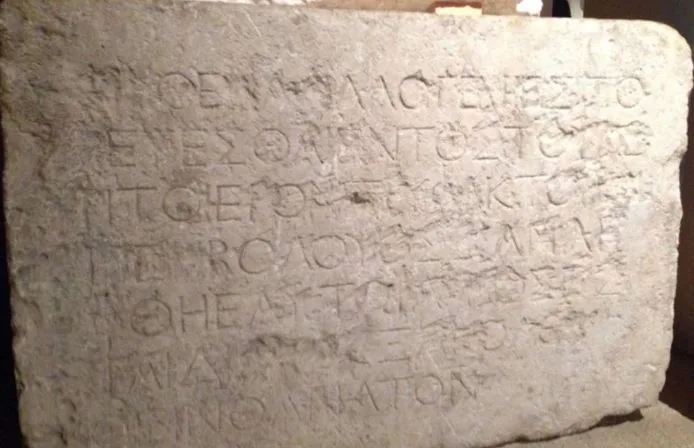
Eminent Jewish historian Josephus described the entrance to the Jewish temple as follows:
Upon it stood pillars, at equal distances from one another; declaring the law of purity, some in Greek and some in Roman letters; that no foreigner should go within that sanctuary. For that second [court of the] temple was called the sanctuary: and was ascended to by fourteen steps from the first court.
In 1871, the Palestine Exploration Fund discovered this exact stone, perfectly congruent with how it was described by Josephus, described as, “a tablet from Herod’s temple.” This inscription was further examined in the study, The Warning Inscriptions of Herod's Temple, and in an article from the Times of Israel, which reads:
“It is remarkable that this stone that... comes from the ancient Jewish Temple hasn’t been carried away far from from its original location... Together they [the two known Temple inscriptions] provide archaeologists with precise archaeological context and “physical evidence of what [Josephus] said,”
So, I know that this was a lot of information. In fact, as far as I am aware, this is the single most authoritative and comprehensive collection of all extra-Biblical and archeological evidence for the Bible ever compiled.
If you would like my research in its original format, please let us know and the link can be found at the top of this writing. .
Remember, my point is this - there ARE good reasons to believe the Bible is true. No matter what random story you dive into, you will find at least some supportive evidence if you look hard enough.
For example, something I didn’t even list here is this anecdote:
Witness 2 and I were reading about Gideon, also called Jerubbaal, in the Old Testament, and I randomly decided to read his Wikipedia article for fun. Imagine my total surprise when I opened it up to read:
"Archaeologists in southern Israel have found a 3,100-year-old fragment of a jug with five letters written in ink that appear to represent the name Jerubbaal."
So, don’t give up on the Bible. There are rational, strong reasons to believe in it, even when the world tries it’s hardest to tell you that it was written by madmen, these events could never happen, and to use your eyes and ears only to understand the world.
There is much more beyond our perception, but even what we can see, touch, and establish for sure points strongly, almost conclusively, to the Bible being the authoritative, divinely-inspired Word of God.
I hope this helped strengthen your faith, and I will continue next with my research on fulfilled prophecies and intertext Bible codes.
May God bless you all richly.
-Witness 1